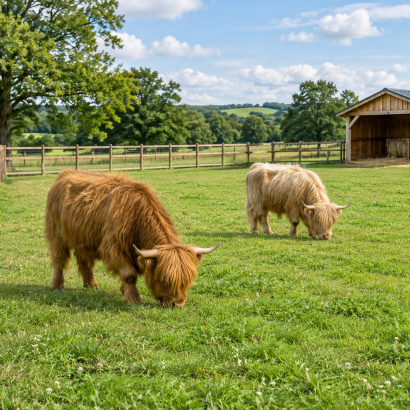
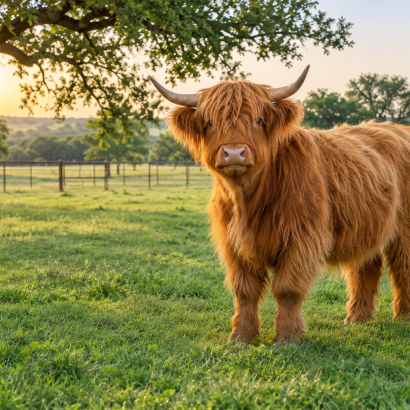
Mini Highland cows require less space than many full-size cattle, but “mini” does not mean they can thrive in a small garden. The right acreage depends on pasture quality, rainfall, soil, stocking rate and how much supplemental hay you are prepared to provide.
A practical starting point
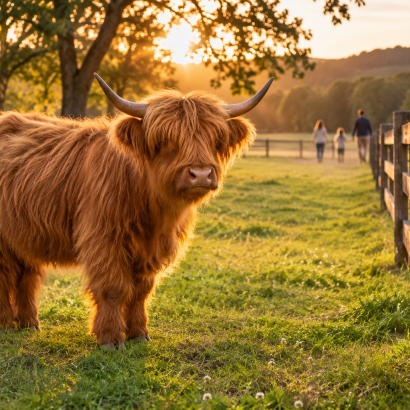
Many small-acreage owners plan roughly two to four acres for a pair of mini cattle where pasture is productive and well managed. This is only a planning range, not a guarantee. Dry Texas conditions, poor soil or heavy grazing can require considerably more land.
Because cattle are social animals, keeping a compatible pair is usually healthier than keeping one alone. Before choosing animals, browse our available Mini Highland calves and plan space for their mature size.
Pasture quality matters more than a simple number
An acre of dense, healthy forage provides more nutrition than an acre of thin or overgrazed grass. Ask your county extension office about local forage types, soil testing and expected carrying capacity. Rotational grazing can improve pasture recovery, but it does not create unlimited feed.
Essential land features
- Strong fencing: Use cattle-appropriate perimeter fencing and secure gates.
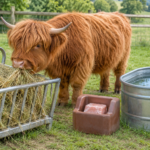
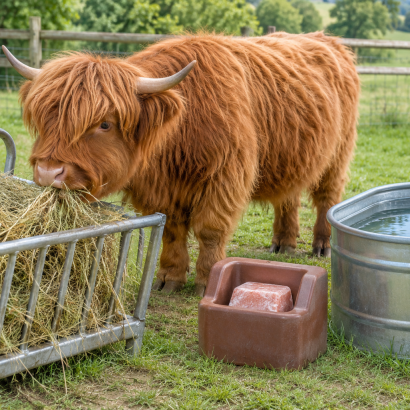
- Clean water: Provide reliable water in every occupied paddock.
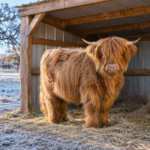
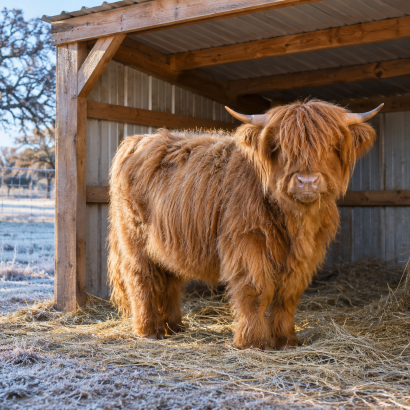
- Shade and shelter: Cattle need relief from sun, wind and driving rain.
- Dry footing: Avoid forcing animals to stand in persistent mud around feeders and waterers.
- Handling space: Reserve a safe area for veterinary care, loading and routine checks.
When hay becomes necessary
Pasture growth changes through the year. Drought, frost and overgrazing reduce available forage, so owners must be ready with quality hay. Read our feeding guide and the companion article on what Mini Highland cows eat.
Avoid overstocking
Too many animals on limited land leads to bare soil, parasites, mud and expensive feed bills. Watch body condition and pasture height, rotate paddocks when possible, and reduce pressure before the field is damaged.
Plan the property before the purchase
Set up fencing, water, shelter and a veterinarian first. Our health and care guide covers more preparation points. If you would like help choosing cattle suited to your property, contact us.